
Table of Contents
•
Check With a Doctor First if Hearing Loss Is in One Ear
•
What Do Unilateral Hearing Loss and Single-Sided Deafness Mean?
•
Why Does Hearing With Two Ears Matter?
•
How to Decide Between One Hearing Aid and Two
•
When Is One Hearing Aid Enough?
•
When Are Two Hearing Aids Better?
•
What Are the Options for Single-Sided Deafness?
•
Unilateral Hearing Loss in Children and Teens
•
How to Fit, Trial, and Measure Success
•
Can Hearing Aids Help Tinnitus in One Ear?
•
When to See a Clinician Urgently
•
How to Choose With Your Audiologist
•
Frequently Asked Questions
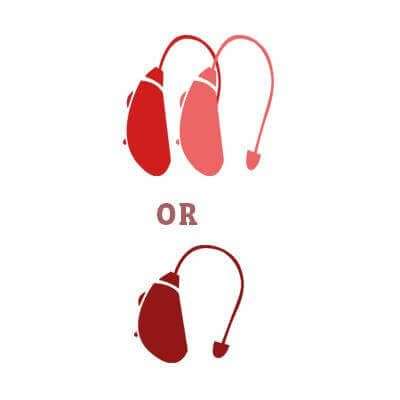
Two hearing aids usually improve clarity in noise, help you tell where sounds come from, and make listening less tiring. One hearing aid can be reasonable for mild hearing loss in one ear, or when the two ears differ.
Single-sided deafness needs different tools, such as CROS systems, bone-conduction devices, or sometimes a cochlear implant, because a standard hearing aid can't restore two-eared hearing to a deaf ear.
The best decision comes from a real-world trial, matched to your hearing test, your daily listening needs, your health, and your budget or coverage. Treat each ear according to what it can still use: amplify an ear that has usable hearing, and reroute sound from one that doesn't.

Check With a Doctor First if Hearing Loss Is in One Ear
Before you choose any device, get hearing loss in only one ear checked by a doctor or audiologist. The FDA requires OTC hearing aid labels to warn buyers to see a medical professional if they have hearing loss in only one ear, much worse hearing in one ear than the other, or ringing in just one ear.
One-sided hearing loss can have causes that need treatment, and some are time-sensitive. If you've lost hearing in one ear suddenly, treat it as urgent and see a doctor right away. Here's what to do when sudden hearing loss happens.
This also shapes which hearing aids make sense. OTC hearing aids are designed for adults with perceived mild-to-moderate hearing loss, and uneven loss between the ears is exactly the situation the FDA flags for a professional evaluation. Once a clinician has ruled out a medical cause and measured your hearing, you'll know whether OTC or prescription devices are the right fit.
What Do Unilateral Hearing Loss and Single-Sided Deafness Mean?
Unilateral hearing loss means reduced hearing in one ear. It can range from mild to severe. When hearing in one ear is profoundly reduced and the other ear hears normally or close to normally, it's often called single-sided deafness (SSD).
The difference matters because the degree and type of loss decide which technology can realistically help. Someone with mild loss on one side may do well with a single hearing aid, while someone with no usable hearing in one ear usually needs a rerouting device or an implant instead of a traditional hearing aid.
Why Does Hearing With Two Ears Matter?
Your brain compares the sound reaching each ear to work out where it's coming from and which sounds to focus on. When one ear hears much less, that comparison breaks down.
People with unilateral hearing loss often struggle to tell where a voice or noise is coming from, miss softer or high-pitched sounds on their weaker side, and feel worn out after group conversations. In noisy places like restaurants, the brain has to work much harder to separate voices from background sound. Two working ears make listening more efficient and natural, which is why the "one or two" question matters so much.
How to Decide Between One Hearing Aid and Two
There's no single answer. The decision comes down to your hearing test results, your lifestyle, your health, and your budget. Work through each one.
Start with your audiogram
Your audiogram is the graph of your hearing test results. If it shows mild loss in one ear and near-normal hearing in the other, one hearing aid may be enough. If both ears have measurable loss, even if one is worse, two hearing aids usually give clearer sound, easier conversation, and more natural balance.
Map your real listening needs
Think about where hearing is hardest for you. If you spend time in noisy restaurants, group meetings, or the car with passengers, two devices usually reduce the strain. If your days are mostly one-on-one conversations in quiet rooms, one device may cover most of your needs, at least for now.
Consider health and comfort
Not every ear can wear a hearing aid. The shape of the ear canal, chronic ear infections, or other medical issues can limit options. In those cases, a single device or a rerouting system like CROS may be the best choice. Comfort and ease of handling matter as much as sound quality for wearing hearing aids long term.
Plan for cost and coverage
Hearing aid prices depend on style, technology, and whether you buy one or two. Some people start with one hearing aid and add a second when they can afford it. That staged approach can work, as long as expectations are clear and you plan to reassess.
Coverage varies widely. Original Medicare doesn't cover hearing aids or exams for fitting them, according to Medicare.gov, though some Medicare Advantage plans offer hearing benefits. Many people use Health Savings Account (HSA) or Flexible Spending Account (FSA) funds to offset the cost. Ask about warranties, repair plans, and loss protection too. Budget shouldn't be the only factor, but be realistic about it. Our guide to hearing aid costs, insurance and financing can help you plan.
Try before you decide
A trial period is one of the most useful steps you can take. Testing one device against two in your daily life shows you quickly how they compare. Keep notes on clarity, fatigue, and anything you miss from your weaker side, and bring them to your follow-up appointment so the decision rests on real experience.
When Is One Hearing Aid Enough?
One hearing aid can be enough when hearing loss is mild and limited to one ear. A single device can make conversations easier to hear and keep you from missing softer sounds on that side. Some people also use one hearing aid temporarily, while replacing a lost one or testing the benefit before buying a pair.
One device may also make sense when a health condition prevents wearing a hearing aid in both ears. Go in with clear expectations: one hearing aid makes the weaker ear more useful, but it won't restore full sense of direction or make noisy places effortless. The benefit is still real.
When Are Two Hearing Aids Better?
If both ears have hearing loss, even uneven loss, two hearing aids usually work better than one. Your brain depends on balanced input from both sides. Two devices give a stronger signal in noise, reduce listening fatigue, and keep both ears in regular use.
Modern hearing aids go further. Many pairs sync wirelessly, so features like directional microphones and noise reduction work together across both ears. The two devices share information to create clearer, more natural sound. For people who care most about comfort and speech clarity, two hearing aids often feel much closer to "normal hearing" than one.
What Are the Options for Single-Sided Deafness?
Single-sided deafness is different from mild unilateral hearing loss. When one ear has no usable hearing, a standard hearing aid on that ear helps little or not at all. Several technologies work around the problem instead.
CROS and BiCROS systems
Contralateral Routing of Signal (CROS) systems put a small microphone on the deaf ear and send its sound to the better ear. You hear sounds from both sides, though your brain is still processing them through one ear. BiCROS adds amplification for the better ear when it has some hearing loss too.
The benefit is better awareness of voices and sounds on your deaf side, so you miss fewer cues. The limitation is that CROS doesn't restore true two-eared hearing, so telling where sounds come from is still difficult.
Bone-conduction devices
Bone-conduction devices send sound as vibration through the skull to the inner ear on the better side. They can be worn externally or implanted surgically, and they help when the ear canal or middle ear can't use a traditional hearing aid. They improve awareness on the deaf side and sometimes ease tinnitus, but they don't recreate natural two-eared hearing.
Cochlear implants for single-sided deafness
For some adults and children, a cochlear implant in the deaf ear lets the brain process sound from both sides again. Many users report better speech understanding in noise, improved ability to locate sounds, and relief from tinnitus. Results depend on candidacy and training, so a careful evaluation with a specialist is essential.
Unilateral Hearing Loss in Children and Teens
Children with hearing loss in one ear face particular challenges at school. Classrooms are noisy, and directional cues matter for following lessons and keeping up socially. Without support, these children may experience language delays or tire quickly.
Early intervention brings the best results. Options include hearing devices, classroom microphones and other assistive listening tools, and seating strategies. Comfort and appearance matter too, because a self-conscious child may not wear their device consistently. Parents and teachers play a key role in both the practical and emotional sides of hearing care. (Children under 18 need prescription hearing devices; OTC hearing aids are for adults only.)
How to Fit, Trial, and Measure Success
Getting the fit right matters as much as choosing one device or two. Audiologists use real-ear verification, measuring sound in your ear canal, to confirm the amplification matches your hearing loss rather than relying on average settings.
During your trial, keep a listening diary. Write down how you hear at family meals, in the car, and in noisy stores. Note whether voices are easier to understand, whether you feel less tired, and whether you can pick up sounds from both sides. That record makes it much easier to fine-tune the settings or decide between one and two devices.
Can Hearing Aids Help Tinnitus in One Ear?
Often, yes. Tinnitus, or ringing in the ears, is common with unilateral hearing loss. A hearing aid or rerouting device fills in the silence around the ringing so it stands out less. For people with severe tinnitus, cochlear implants have also provided relief in some cases.
If tinnitus persists, sound therapy, relaxation exercises, and better sleep habits may help, and working with a professional helps you find the right combination. Read more about how hearing aids help with tinnitus.
When to See a Clinician Urgently
Unilateral hearing loss can signal a medical problem that needs quick attention. Get prompt care for sudden hearing loss in one ear, ear pain, fluid or drainage, dizziness, or new ringing that starts abruptly. Early evaluation improves the chances of recovery and protects your hearing.
How to Choose With Your Audiologist
Choosing between one hearing aid and two isn't a decision to make alone. An audiologist can interpret your audiogram, guide you through a trial, and adjust your devices for the best performance. Bring notes from your daily listening and your questions about cost, comfort, and follow-up support. The goal isn't perfection; it's the best balance of clarity, convenience, and quality of life.
Once a doctor has ruled out a medical cause, you can compare Audicus's OTC hearing aids, each programmed to your online hearing test.
Frequently Asked Questions
Can a single hearing aid be enough for unilateral hearing loss?
Yes, a single hearing aid can be enough for unilateral hearing loss when the loss is mild and limited to one ear. It provides useful benefit at a lower cost. Telling where sounds come from and hearing in background noise will still be harder than with two ears working well.
What do I miss by wearing one hearing aid instead of two?
Wearing one hearing aid instead of two means losing some of your ability to tell where sounds are coming from. Many people also find it harder to follow conversations in noisy places and feel more tired after listening, because the brain gets less balanced input.
Will a standard hearing aid help with single-sided deafness?
In most cases, a standard hearing aid won't help with single-sided deafness. When one ear has profound hearing loss, amplification can't restore usable hearing in that ear. CROS systems, bone-conduction devices, or cochlear implants are usually more effective.
How long should I trial one hearing aid versus two before deciding?
Give a trial of one versus two hearing aids at least several weeks, and use your full trial window if you can. Adjusting to hearing aids takes time, and Audicus, for example, offers a 100-day trial. Wear the devices in your normal routine, keep notes, and review them with your audiologist before deciding.
Will hearing aids help tinnitus in one ear?
Hearing aids can help with tinnitus in one ear. By making everyday sounds easier to hear, amplification often makes the ringing less noticeable. If relief is only partial, sound therapy or counseling strategies may help further. New ringing in only one ear should be checked by a doctor first.