Can research on owls and lizards lead to better advances in hearing loss treatment? Learn more about this latest science development!
The Shape of Things
Scientists from York University’s Department of Physics & Astronomy are studying the way owls and lizards listen in on their surroundings. Not only do ears absorb sound through hearing, they also emit sounds called
otoacoustic emissions, or OAEs. These emissions are essentially tiny echoes that occur after sound vibrates a certain part of the ear (although some OAEs can occur spontaneously without outside stimuli), and can be measured by putting a sensitive microphone to the outer ear.
OAEs are often measured in infant hearing tests because ears that are unhealthy do not produce these emissions. In
humans, an OAE is produced by the inner ear, and a non-existent OAE is a symptom of
hearing loss.
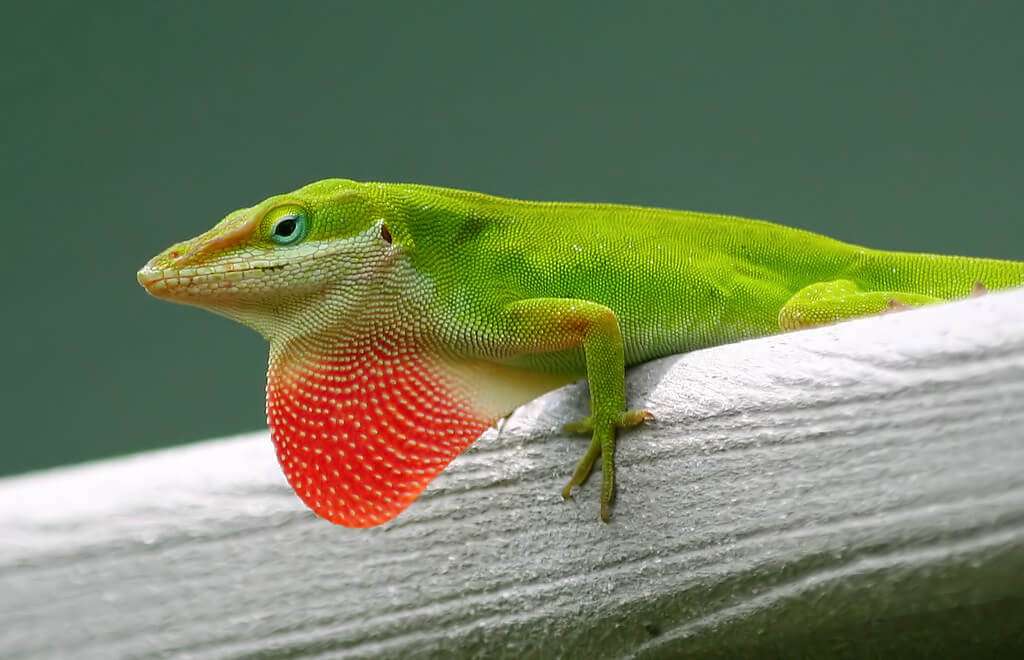
The barn owls and green anoles (a type of lizard found in the southeastern US as well as the Caribbean) involved in the study have inner ear anatomies that are unlike those found in humans, meaning scientists can examine the many different ways in which OAEs are created. The auditory structures of owls and anoles are also built in such a way that the emissions can be studied without harm to any animal.
The scientists found that despite the different anatomies in owl and lizard ears, their spontaneous OAEs were very similar. This points to the idea that even dissimilar anatomies in different animal species can allow them to hear well, as long as the different parts of an ear work together to produce a standard kind of OAE. In other words, healthy hearing relies on the ability to absorb and transmit sound in a certain pattern, regardless of how different parts of the ear may be shaped.
Hearing Aid Technology Based On Animals
This discovery can provide new insight into developing hearing aids, cochlear implants, and other devices for
hearing loss. Studying OAEs can also aid in the improvement of reconstructive surgery techniques, as the shape of the inner ear can determine how well a patient hears after receiving treatment.
Other recent studies that tap into animal biology for
hearing loss solutions include a 2014 study on
chickens. Loud noises can damage inner ear cells, but chickens have an amazing ability to repair these cells. Studying the genes that allow chickens to regrow their hair cells after ear trauma can help scientists to develop treatments that would allow humans to regrow damaged cells.
The greater wax moth, a small insect that invades beehives, has also been a research subject of interest because it has the best hearing of any animal ever recorded. Scientists are currently modeling a hearing device after the small moth’s auditory system, which allows it to pick up sounds at amazingly high frequencies.
These recent developments promise new alternatives to counteract the rapidly increasing issue of
hearing loss across the globe. 1.1 billion people worldwide are at risk for hearing loss due to the increase in usage of audio devices, with children and young adults in particular being predisposed to noise-induced hearing loss.
By: Aaron Rodriques